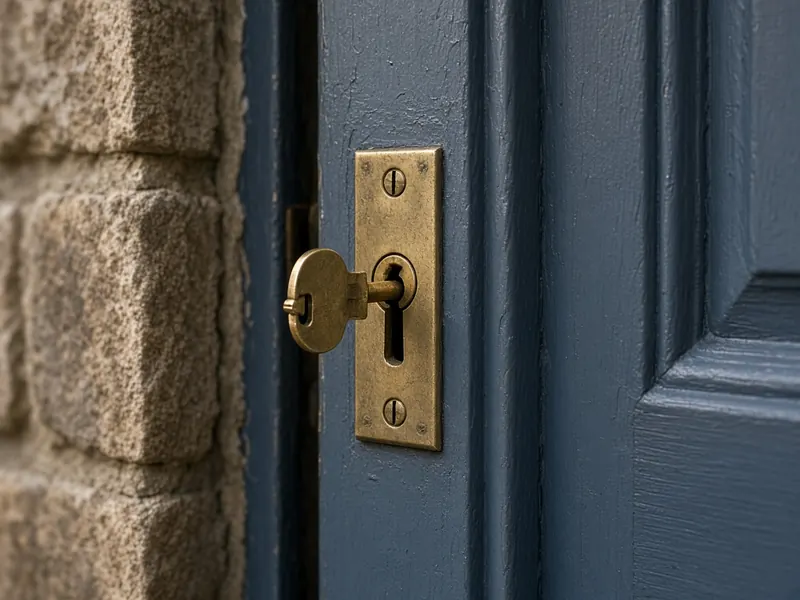
The right lock for the door
Most insurers want BS 3621 locks on final exit doors. These locks are substantial because of the extra protection they offer, so not every door can take one. Whether yours can largely depends on the thickness of the door and frame. Older cottage doors are often thinner, or have been weakened by several sets of locks over the years.
Not to worry: if a BS 3621 mortice lock isn’t right for your door, other locking products can be fitted to raise its security, such as a British Standard nightlatch, hinge bolts, a London bar or door bolts.
Common timber door work
- 5-lever mortice deadlocks and sashlocks
- Nightlatches and deadlocking nightlatches
- Rim locks for older doors
- Door chains, door viewers and limiters
- Hinge bolts and surface bolts
- Repairs to worn or damaged keeps and striking plates
Repair or replace?
Mortice locks are durable and can often be repaired. A lever lock that has gone stiff may just need cleaning and adjusting. If the keys have been lost, the lock can often be changed to work with new keys rather than replaced outright.
Read: Mortice locks vs nightlatches.
Frequently asked questions
Is my door thick enough for a BS 3621 lock?
Many are, but not all. A typical mortice lock needs a reasonably thick, sound door and frame. Colin will check yours and suggest an alternative if it isn’t suitable.
I only have a Yale-type lock. Is that enough?
A basic nightlatch on its own is usually not enough for insurers. Adding a BS 3621 mortice deadlock or a British Standard nightlatch is a common upgrade.