Key snapped in the lock? What to do next
Snapped your key in the door? What to do straight away, why DIY extraction often makes it worse, how a locksmith removes it and how to stop it happening again.
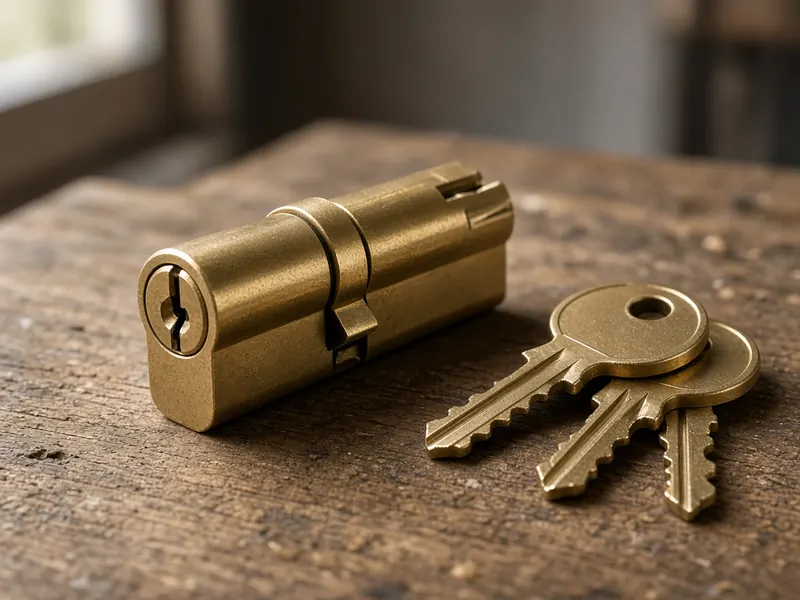
There’s a particular sinking feeling when you turn a key and feel it give way, leaving half of it in your hand and the other half stuck in the lock. It happens more often than you’d think, and almost always to a lock that has been getting stiff for a while. Here’s what to do.
Step 1: Stop and keep the pieces
- Don’t keep turning or pushing. You could push the broken piece deeper.
- Keep both halves of the key. A locksmith can use them to identify the key and cut a replacement.
- If the door is unlocked, close it gently and don’t lock it with another key. You may jam the cylinder.
- If the door is locked and you’re outside, you’re effectively locked out. See locked out of your house?.
Step 2: Work out where the key is
- If part of the key is sticking out, you may be able to grip it with needle-nose pliers and pull it straight out, without twisting. Only try this if there is enough to grip firmly.
- If the broken end is flush with or inside the keyway, leave it to a locksmith.
Why DIY extraction often goes wrong
The internet is full of tips for removing broken keys. Most of them carry real risks:
- Tweezers and hairpins tend to push the fragment further in, past the point where it can be grabbed.
- Superglue on a matchstick sounds clever, but glue can run into the pins and seize the lock solid. Then the cylinder has to be destroyed and replaced.
- Jigsaw blades and improvised hooks can damage the pins and springs, so the lock no longer works even after the key is out.
- Spraying lubricant first can help a little, but too much makes the fragment harder to grip.
A bit of patience often turns a quick extraction into a cheaper job than a new lock.
How a locksmith removes a broken key
Locksmiths use key extraction tools: thin, hardened hooks and spirals designed to slide alongside the key in the keyway, catch the cuts of the key and draw it out. With the right tools and technique, most broken keys come out in minutes without damaging the lock.
If the lock was locked when the key snapped, the locksmith may need to open the door first, using non-destructive techniques where possible, and then remove the key.
Once the key is out, they will:
- Test the lock to check it still works.
- Find why the key snapped, such as a worn cylinder, misaligned door or damaged key.
- Cut a new key, or advise you how to get one, if you don’t have a spare.
In Moray, Moray Locksmith extracts broken keys. Most broken Yale-type, barrel and cylinder keys can be extracted and a new key cut.
Why keys snap
A key is a thin piece of brass. It snaps when more force goes through it than it can take. The usual causes are:
- A stiff lock. Dirt, wear or, near the coast, corrosion.
- A dropped uPVC door. You have to turn the key against the pressure of misaligned bolts. See uPVC door problems.
- Worn or bent keys. Old keys develop cracks, especially at the shoulder.
- Poor copies. Badly cut keys from cheap blanks don’t fit cleanly.
- Using the key as a handle to pull the door shut.
Preventing it happening again
- Fix stiff locks early. Use a lock-specific lubricant and get the lock serviced if it’s still stiff. Read signs your locks need replacing.
- Get uPVC doors aligned so the key turns freely.
- Replace worn keys. Cut a new key from the original, or from the code where available, rather than copying a copy.
- Don’t hang heavy key rings from the key in the lock. The weight wears the cylinder.
- Upgrade the cylinder. A good-quality cylinder with a well-made key is less likely to cause problems.
Keys that snap inside a uPVC door
On uPVC and composite doors, keys often snap with the cam partly turned, which leaves the multipoint mechanism half-engaged. The door may be neither properly locked nor openable. Don’t lift or force the handle. Once the fragment is removed, the locksmith will check the cylinder cam and the gearbox, because the strain that broke the key may have damaged them too.
What about a snapped car key?
Car keys with transponders and remotes are more complex. Keep all the pieces, including the remote housing, and call for advice with your vehicle details. See car keys and auto locksmith.
Key points
If your key snaps, keep the pieces, don’t force anything, and resist DIY methods that can wreck the lock. A locksmith can usually remove the key without damage, cut a new one and fix the stiffness that caused the problem. In Moray, call Colin on 07879 265063.
Frequently asked questions
Can a broken key be removed without replacing the lock?
Usually, yes. Most broken keys can be extracted with specialist tools and the lock keeps working.
Should I use superglue to get a broken key out?
No. Glue can run into the lock and seize it, turning a simple extraction into a lock replacement.
Can you cut a new key from the broken pieces?
Often, yes. Keep both halves, as they help identify and copy the key.
This guide is general information for homes in Scotland. It is not legal or insurance advice. Always check your own policy, tenancy agreement and official guidance.