10 signs your locks need repairing or replacing
Stiff keys, sagging uPVC doors, old cylinders and lost keys: ten warning signs that your locks need servicing, repairing or replacing, and what each one means.
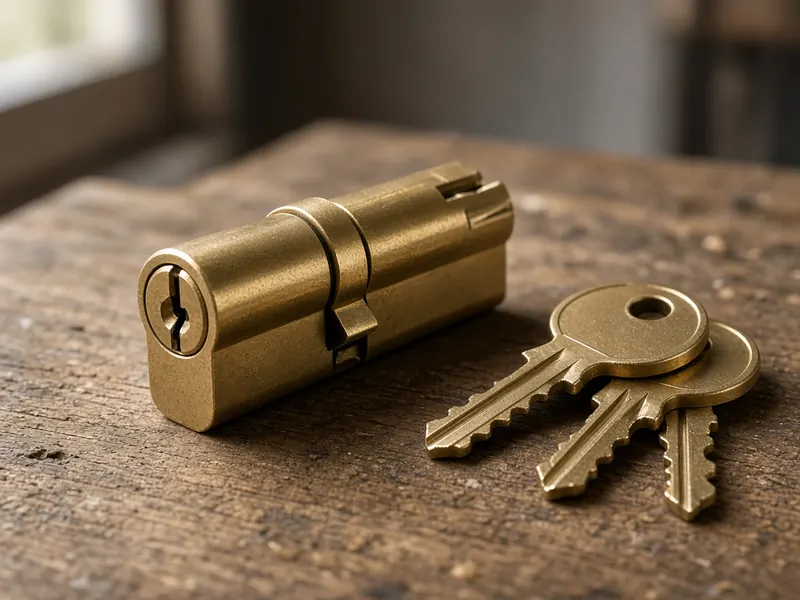
Locks rarely fail without warning. Most give signs for weeks or months first: a key that needs jiggling, a handle that needs an extra push. Spotting those signs early is the difference between a quick service and an emergency call-out on a cold night. Here are ten things to look out for, and what each one usually means.
1. The key is getting stiff or needs jiggling
A key that used to turn smoothly but now catches is the most common early warning. It’s usually caused by wear on the pins inside a cylinder, dirt and grit, or, in coastal towns such as Nairn, Lossiemouth, Buckie and Cullen, corrosion from salty air. Left alone, a stiff lock puts extra force through the key until one day it snaps. A clean and lubricate, or a new cylinder, is far cheaper than an extraction and a lockout.
Use a lubricant made for locks, such as a PTFE or graphite-based product. Avoid thick oils and general-purpose grease, which collect dirt.
2. You have to push, pull or lift the door to lock it
On a uPVC or composite door, needing to lean on the door or force the handle up means the door has dropped out of alignment. The hooks and rollers of the multipoint lock no longer line up with their keeps, so all the force goes through the gearbox. This is how most gearboxes fail. Alignment is a quick adjustment if it’s done before anything breaks. Read uPVC door won’t lock?.
3. The handle is floppy or won’t spring back
A handle that droops or won’t return to horizontal usually has a broken return spring, either in the handle itself or in the gearbox. A new handle is a cheap fix. A failing gearbox needs replacing before it jams.
4. The latch doesn’t catch
If the door swings open after you’ve closed it, or you have to slam it, the latch isn’t engaging with the keep. It might be a worn latch, a misaligned keep or a door that has swollen or dropped. It’s a security issue too: a door that isn’t latched is an open invitation.
5. You can see visible damage
Look closely at the cylinder and the area around the lock. Warning signs include:
- scratches or gouges around the keyhole, which may be a failed attempt to pick or force it
- a cylinder that sticks out more than a few millimetres beyond the handle, making it easier to snap
- cracks in the door around the lock
- loose or missing screws on the handle plate or keep
Signs of attempted forced entry should be reported to Police Scotland on 101 and the lock checked. A damaged lock may already be weakened.
6. Your euro cylinder isn’t anti-snap
Many uPVC doors fitted before the mid-2010s, and some since, have basic euro cylinders that are vulnerable to lock snapping. Burglars break the cylinder at its weak point and open the door in seconds. If your cylinder has no Kitemark and no star markings near the keyhole, it’s worth upgrading. Read anti-snap euro cylinders explained.
7. Your insurer wants British Standard locks
Many home insurance policies say that final exit doors must have locks meeting BS 3621 (or an equivalent standard), and that they must be locked when the house is empty. If your locks don’t meet the policy wording, a claim after a burglary could be reduced or refused. Check your policy, then check your locks. Read BS 3621 explained.
8. You’ve moved house or a tenant has moved out
You can’t know how many keys are out there. Previous owners, their families, cleaners, tradespeople and neighbours may all have had copies. Changing the cylinder or lock when you move in is quick and inexpensive. Read should you change the locks after moving house?.
9. Keys are lost, stolen or not returned
If keys go missing and there is any chance they could be linked to your address, change the locks. The same goes for a relationship ending, an employee leaving, or a cleaner or carer who no longer needs access. See lost your house keys?.
10. The lock is simply old
Locks don’t last forever. A twenty or thirty-year-old lock may still work, but it was designed for a different era of burglary techniques. A security assessment looks at every door and window and tells you honestly which locks are fine and which are worth upgrading.
Repair, service or replace?
Not every warning sign means a new lock:
- Service for stiffness, grit and corrosion, and align for doors that have dropped.
- Repair a handle, keep or single faulty part.
- Replace the cylinder for wear, lost keys or snap vulnerability.
- Replace the lock or mechanism for failed gearboxes, damaged locks, or locks below the standard your insurer needs.
A good locksmith explains the options and lets you choose. Customers of Moray Locksmith often remark that Colin only replaced the locks that actually needed replacing.
Key points
Don’t wait for a lock to fail completely. Stiffness, misalignment and damage are early warnings, and dealing with them early is cheaper, safer and avoids being locked in or out. If you’re in Moray and something on this list sounds familiar, book a lock check or repair.
Frequently asked questions
Can I just spray WD-40 in a stiff lock?
General-purpose sprays can help briefly, but they attract dirt. A dry PTFE or graphite lock lubricant is better. If the lock is still stiff, get it checked.
How long should a lock last?
It depends on use, exposure to weather and quality. A good lock can last many years, but coastal homes and very busy doors wear locks faster.
Is it cheaper to repair or replace?
Often a cylinder change or an alignment is cheaper than either repair or full replacement. A locksmith should explain the options and prices before starting.
This guide is general information for homes in Scotland. It is not legal or insurance advice. Always check your own policy, tenancy agreement and official guidance.