Should you change the locks after moving house in Scotland?
Why changing the locks after buying or renting a home is worth it, what to change, what it involves and how the Scottish date of entry and key handover work.
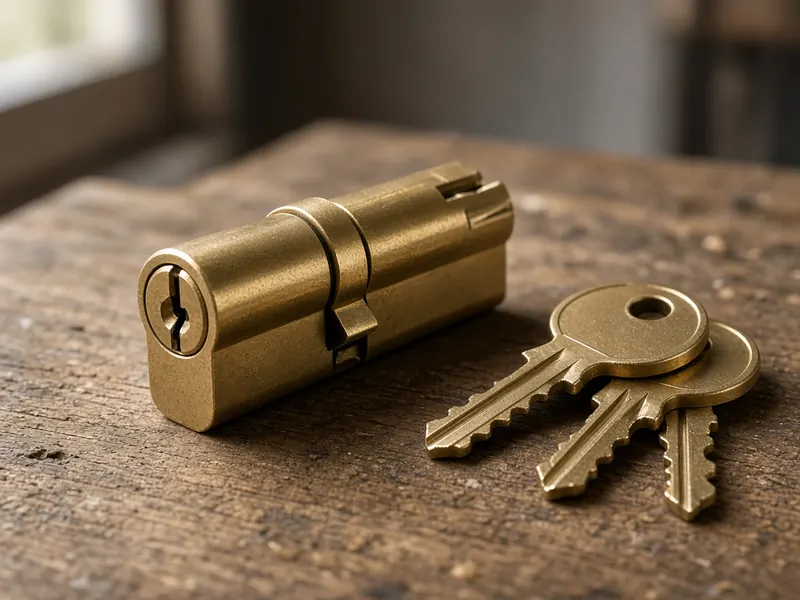
You’ve got the keys to your new home. But how many other people have them too? Changing the locks after moving is one of the simplest, cheapest and most overlooked security steps. Here’s why it matters, what it involves and how it fits with the Scottish home-buying process.
Why change the locks?
When the seller hands over keys, you have no way of knowing how many copies exist or who holds them. Over the years, keys may have been given to:
- family members and friends
- neighbours, for feeding the cat or watering plants
- cleaners, carers and dog walkers
- builders and tradespeople
- previous tenants, if the property was ever let
Most of those people are perfectly trustworthy, but you can’t know, and lost keys may be anywhere. Many home insurance policies don’t pay out for theft where there is no sign of forced entry, which is exactly what happens when someone uses a key.
Buying a home in Scotland: date of entry
In Scotland, the deal is done through missives between the buyer’s and seller’s solicitors, which set the date of entry. On that date, once the purchase money has been transferred, the seller’s solicitor releases the keys, often through the estate agent. Many buyers in Moray pick up keys from the agent’s office on entry day.
Book the locksmith for entry day or the day after. That way the locks are changed before you move your belongings in.
Renting a new home
If you rent, you shouldn’t change the locks without your landlord’s permission. Most tenancy agreements say so, and the landlord needs a key for emergencies and repairs. It’s reasonable to ask whether the locks were changed after the last tenant left. Many good landlords do this as standard. Read lock changes for landlords and tenants in Scotland.
What actually needs changing?
It’s often less than people think:
- uPVC and composite doors. Usually only the euro cylinder needs replacing, not the whole lock. It’s a quick job, and a perfect moment to upgrade to anti-snap. See anti-snap euro cylinders.
- Timber doors with a mortice lock. The lock can sometimes be re-levered to work with new keys, or replaced with a new BS 3621 lock if the existing one isn’t up to standard.
- Nightlatches (Yale-type). The cylinder can be replaced.
- Garages, sheds and side gates. Don’t forget padlocks and garage locks.
- Windows. If the window locks use keys, the previous owners may still have them. Window handles and locks can be replaced.
Keyed alike: one key for everything
Changing several locks at once is a chance to have them keyed alike, so one key opens front door, back door and garage. It means fewer keys and less fumbling at the door. See key cutting and keyed-alike systems.
Combine it with a security check
New owners often don’t know much about the doors and windows they’ve inherited. While the locksmith is there, ask them to look over:
- whether the locks meet your insurer’s requirements (often BS 3621 or equivalent)
- the condition of uPVC mechanisms, as a stiff door is a warning sign
- window locks and restrictors, particularly if you have children
- side gates, sheds and garages
A security assessment gives you a clear list of what’s fine and what’s worth upgrading.
A moving-day checklist
Put these on your list for entry day, alongside the meter readings and the broadband:
- Collect every key the seller or agent has, and count them. Ask whether any are missing.
- Change the cylinders or locks on every external door.
- Check that each door locks properly and the handles lift smoothly.
- Change the codes on alarms, key safes and garage door remotes.
- Make sure you know where your new keys are kept, including a spare with someone you trust.
- Note the make and type of each lock, in case your insurer asks.
Alarms, key safes and smart locks
If the property has a burglar alarm, change the codes and get the engineer details from the seller. If there’s a key safe, change the code or remove it. If there are smart locks, reset them to factory settings and remove the previous owner’s access. See smart locks pros and cons.
What does it cost?
Prices depend on the number and type of locks, whether you’re upgrading, and access. A cylinder change on a uPVC door is usually one of the most affordable locksmith jobs. A reputable locksmith will quote before starting, with no hidden costs. Read what affects the cost of a locksmith.
Key points
Changing locks after moving is cheap peace of mind. In Scotland, book it for your date of entry. If you rent, ask your landlord first. Usually only the cylinders need changing, and it’s a perfect moment to upgrade to anti-snap and key everything alike. In Moray, call Moray Locksmith to arrange it.
Frequently asked questions
Do I need to change all the locks?
Ideally every external door, plus garages and outbuildings, because any key could be out there. On uPVC doors that usually means only the cylinders.
Can I change the locks in a rented flat?
Only with your landlord’s consent. Most tenancy agreements say so, and the landlord needs a key for emergencies.
Can you do it on our date of entry?
Yes. Book ahead, and the locks can be changed on or soon after the day you get the keys.
Is changing the cylinder enough?
On most uPVC and composite doors, yes. The cylinder is what the key operates.
This guide is general information for homes in Scotland. It is not legal or insurance advice. Always check your own policy, tenancy agreement and official guidance.