Lock changes for landlords and tenants in Scotland: who is responsible?
Who pays for lock repairs in a Scottish rented home, can tenants change the locks, should landlords change them between tenancies, and what to do in a lockout.
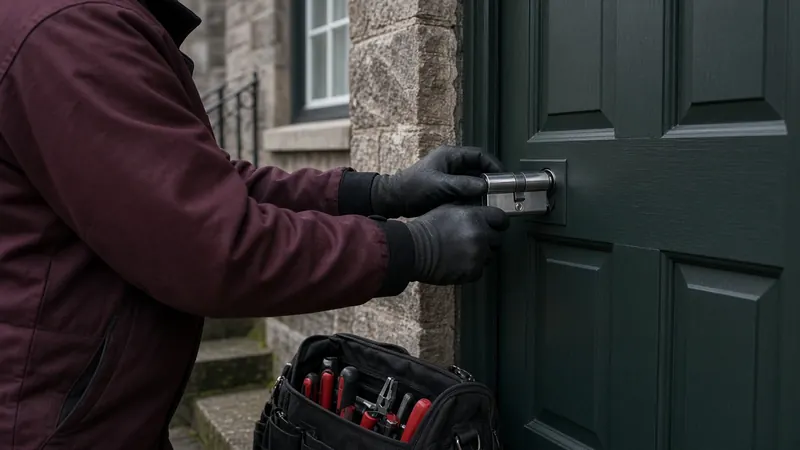
Locks in rented homes raise questions for both sides. Who pays when a lock breaks? Can a tenant change the locks? Should the landlord change them between tenants? This guide gives a practical overview for private rented homes in Scotland. It’s general information, not legal advice. For your own situation, check your tenancy agreement and official guidance, or speak to a solicitor or advice agency.
The basics: the Private Residential Tenancy
Most new private lets in Scotland since 1 December 2017 are Private Residential Tenancies (PRTs). The Scottish Government publishes a model tenancy agreement that many landlords use. Older tenancies, such as short assured tenancies, may still be running, so check which you have.
Landlords must also be registered with their local council (Moray Council for most of the area this site covers, Highland Council for Nairn and Strathspey), and meet the Repairing Standard.
Repairs: generally the landlord’s job
Under the Repairing Standard, landlords must keep the property wind- and watertight, in reasonable repair, and keep the fixtures and fittings they provide in proper working order. External door and window locks are part of that. In practice:
- Worn-out, faulty or failed locks, such as a broken uPVC gearbox or a cylinder worn with age, are usually for the landlord to fix.
- Damage caused by the tenant, or a lockout caused by the tenant losing keys, is usually the tenant’s cost.
- Damage from a break-in is usually the landlord’s, and often claimed on the landlord’s buildings insurance, but tenancy terms and insurance vary.
Tenants should report problems promptly and in writing. Landlords should get them fixed within a reasonable time. A front door that won’t lock is urgent.
If a landlord doesn’t carry out repairs, tenants can apply to the First-tier Tribunal for Scotland (Housing and Property Chamber).
Can a tenant change the locks?
Usually not without the landlord’s consent. Most tenancy agreements say the tenant must not change the locks without permission, and the landlord needs a key to deal with emergencies such as a leak while the tenant is away.
If you’re a tenant with a good reason to want the locks changed, such as lost keys, a former partner who still has a key, or concerns about previous tenants, ask your landlord in writing. Most landlords will agree, often if you give them a copy of the new key.
If you have concerns about domestic abuse, contact Police Scotland or Scotland’s Domestic Abuse and Forced Marriage Helpline (0800 027 1234). Your landlord, local council or a support organisation can help with urgent lock changes.
Can a landlord change the locks on a tenant?
No, not as a way of removing them. Changing the locks to force a tenant out without following the legal eviction process is an illegal eviction, which is a criminal offence in Scotland. Landlords must use the proper process through the Tribunal.
Landlords also generally need to give at least 48 hours’ notice before entering for inspections or repairs, except in an emergency.
Should landlords change locks between tenants?
It isn’t usually a legal requirement, but it’s good practice:
- outgoing tenants may have made copies, or given keys to friends
- incoming tenants get confidence that they are the only key-holders
- insurers may refuse theft claims where there’s no sign of forced entry
On uPVC and composite doors it’s usually just a cylinder change, a quick, low-cost job. Many landlords upgrade to anti-snap cylinders at the same time.
Master key and keyed-alike systems for landlords
If you own a block of flats or a house in multiple occupation, a master key system can simplify things. Each tenant’s key opens their own flat and the common doors, while you hold a master. When a tenant leaves, only their cylinder needs changing. Read master key and keyed-alike systems.
Tenant lockouts
If a tenant is locked out:
- Call the landlord or letting agent first, as they usually hold a spare.
- If they can’t help, call a locksmith. Expect to show proof of tenancy and ID.
- If the lock has to be replaced, give the landlord a key to the new lock.
A reputable locksmith will always check you have the right to enter. Read locked out of your house?.
Holiday lets and short-term lets
Short-term lets in Scotland need a licence from the local council. Guest access needs careful handling: changing codes between bookings, key safes and keypad locks. See security for holiday lets.
A simple checklist for landlords
- Change cylinders or locks between tenancies.
- Keep a record of how many keys exist, and who holds them.
- Check external doors lock smoothly at every inspection.
- Fix reported lock problems promptly, treating a door that won’t lock as urgent.
- Give tenants a number for urgent repairs out of hours.
- Keep a spare key securely, labelled with a code rather than the address.
Key points
Landlords are generally responsible for keeping locks working; tenants for keys they lose and damage they cause. Tenants shouldn’t change locks without consent, landlords must never lock tenants out, and changing cylinders between tenancies is cheap good practice. In Moray, Moray Locksmith works with landlords, letting agents and tenants.
Frequently asked questions
Who pays if a tenant loses their keys?
Usually the tenant, including any lockout call-out and replacement keys or cylinders. Check your tenancy agreement.
Does a landlord have to change locks between tenants in Scotland?
It’s not normally a specific legal requirement, but it is strongly recommended good practice, and may matter for insurance.
Can my landlord come in without notice?
Generally landlords must give at least 48 hours’ notice for inspections and repairs, except in an emergency. Check official guidance for your tenancy type.
Can a locksmith let a tenant in?
Yes, with proof of ID and tenancy. A good locksmith will always check.
This guide is general information for homes in Scotland. It is not legal or insurance advice. Always check your own policy, tenancy agreement and official guidance.