Security for holiday lets and second homes in Moray
How to manage keys, codes and security for holiday lets and second homes in Moray: keypad locks, key safes, cylinder changes, empty periods and licensing.
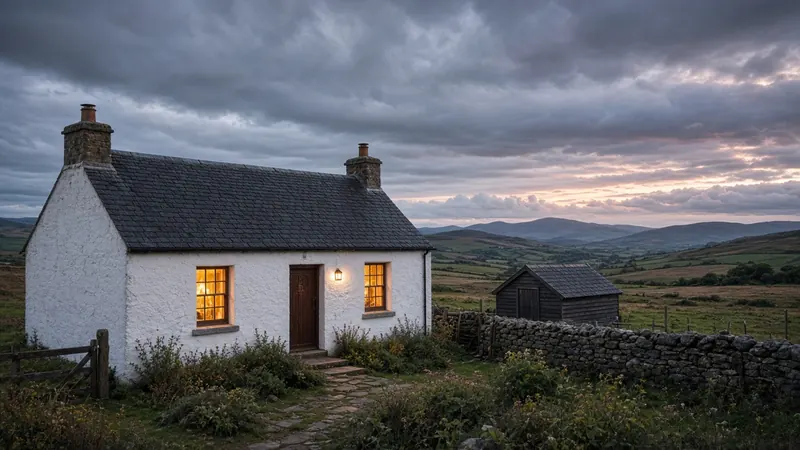
From seaside cottages in Cullen and Nairn to lodges in Strathspey, Moray and the surrounding area have a lot of holiday lets and second homes. They bring particular security challenges: many different people coming and going, keys that go astray, and long periods when the property is empty. Here’s how to stay on top of it.
The licensing backdrop
In Scotland, short-term lets need a licence from the local council: Moray Council, or Highland Council for Nairn and Strathspey. Licence conditions focus on safety, such as gas, electrical and fire safety, but good security and sensible access arrangements are part of running a safe, professional let. Check your council’s website for current requirements.
Getting guests in: the options
Meet and greet
Handing over keys in person is the most personal option, but it isn’t practical for many owners, especially with late arrivals.
Key safes
A key safe fixed to the wall lets guests collect the key with a code. It’s simple and cheap, but:
- choose a properly rated key safe, and fix it into masonry with the supplied fixings, not into a fence or timber
- change the code between bookings, or at least regularly
- position it discreetly, not right next to the front door if you can avoid it
Read are key safes secure?.
Keypad and smart locks
A keypad lock on the door removes keys altogether. Many battery-powered models let you set a new code for each booking, and some allow codes valid only for the dates of the stay.
- Choose locks with properly rated cylinders as a key backup.
- Plan for batteries, and check them at every changeover.
- Remember that mobile signal and Wi-Fi can be unreliable in rural Moray, so systems that rely on an app connection may not suit.
See smart locks pros and cons and access control.
Keep control of keys
Physical keys have a habit of multiplying. Guests take them home by accident, cleaners and maintenance people need copies, and there’s often a spare with a neighbour.
- Keep a key log of who has each key.
- Use restricted keys that can’t be copied without authorisation.
- Change the cylinder whenever a key goes missing or a cleaner or manager changes. On uPVC doors it’s quick and inexpensive.
- Consider a master key system if you have several properties, or a building with several units. See master key systems.
Locking up between guests
At every changeover:
- check every external door and window locks properly, because guests often leave windows open
- check uPVC doors aren’t stiff, since a guest who forces a dropped door can break the gearbox
- reset key safe and keypad codes
- check outbuildings, bike stores and hot tub covers are locked
Empty periods
Many holiday homes sit empty for weeks over winter. An empty property is a target, and problems like a burst pipe go unnoticed.
- Arrange for someone to check the property regularly.
- Use timer lights.
- Make sure post and parcels don’t pile up.
- Lock away bikes, kayaks and garden furniture.
- Check your insurance conditions about unoccupied periods. Many policies have limits.
Guest lockouts
Guests do lock themselves out, or lose keys. Have a plan:
- a local contact who can let guests in
- a trusted locksmith’s number in your house guide and your phone
- clear instructions on what guests should do and what they’ll be charged
A good locksmith will need proof that the guest is entitled to be there, so a booking confirmation, or a call from you, helps.
Coastal and rural wear
Holiday lets near the sea, in places like Cullen, Portknockie, Findochty, Nairn and Lossiemouth, take a battering from salt air. Rural lets in Strathspey face hard frosts. Locks used by a different guest every few days also wear faster than those in an ordinary home. Build a lock service into your annual maintenance: lubricate cylinders and multipoint mechanisms, check door alignment and replace tired cylinders before they fail. A guest locked out at 10pm on a Saturday is far more expensive, in money and in reviews, than a planned service.
Fire safety
Guests are unfamiliar with the property, so escape must be simple. Avoid locks that need a key to get out. Use thumb-turns or handles inside, and leave clear fire instructions.
Owner’s security checklist
- Rated locks on all external doors, with anti-snap cylinders.
- Secure guest access: a rated key safe or keypad lock.
- Codes changed between bookings.
- Cylinders changed when keys go missing.
- Easy escape from inside, without a key.
- Windows lock, with restrictors where needed.
- Outbuildings locked.
- Locksmith number in the house guide.
Key points
Running a secure holiday let is mostly about access management: rated locks, good key or code control, changes after every lost key and simple escape for guests. In Moray, Moray Locksmith can fit keypad locks, change cylinders and help with lockouts.
Frequently asked questions
Should I use a key safe or a keypad lock?
Both work. Keypad locks remove physical keys and let you change codes per booking. Key safes are cheaper, but must be properly rated and fitted.
How often should I change the code?
Ideally between every booking, and always when a code may have been shared more widely.
Do I need a licence for a holiday let in Scotland?
Yes. Short-term lets in Scotland need a licence from the local council. Check your council’s current guidance.
This guide is general information for homes in Scotland. It is not legal or insurance advice. Always check your own policy, tenancy agreement and official guidance.