Smart locks: pros, cons and what to check before you buy
Are smart locks secure? The pros and cons of smart locks for UK homes, what security ratings to look for, insurance questions and when a keypad lock is better.
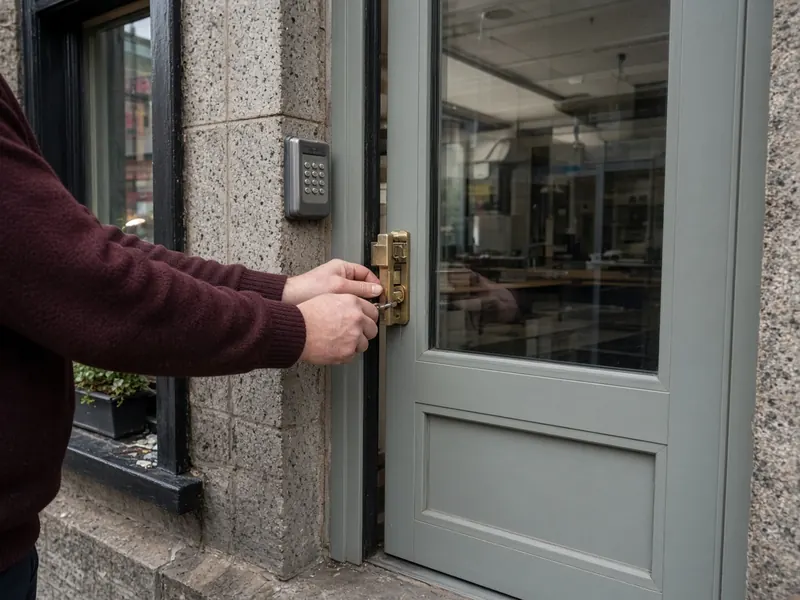
Smart locks promise keyless convenience: open the door with your phone, give a one-off code to a cleaner, or check whether you locked up from the other side of the country. They suit some homes very well. But they also bring new questions about security, batteries, insurance and what happens when technology fails. Here’s a balanced look.
What counts as a smart lock?
The term covers several kinds of product:
- Retrofit smart locks that fit over or replace the inside part of your existing lock or euro cylinder and turn it with a motor.
- Smart cylinders, euro cylinders with electronics built in.
- Full smart lock sets, with a keypad, fingerprint reader or app control.
- Keypad and fob locks, often battery powered, which may or may not connect to the internet.
The pros
- No keys to lose. Open with your phone, a code, a fob or a fingerprint.
- Temporary access. Give a code to a cleaner, carer, tradesperson or holiday guest, and remove it afterwards.
- Activity log. See when the door was opened and by whom.
- Remote locking and alerts. Check you locked up and get a notification if the door is opened.
- Auto-locking on some models.
These features are particularly useful for holiday lets, homes with carers visiting, and families who are always losing keys. See security for holiday lets.
The cons
- Batteries. Every smart lock needs power. Most warn you when batteries are low, and many have a backup key or emergency power contact, but you need to stay on top of it.
- Connectivity. App features depend on Wi-Fi, Bluetooth and the manufacturer’s servers. A mobile signal can be patchy in parts of rural Moray.
- Software and support. Products depend on app updates. If a manufacturer stops supporting a product, features may stop working.
- Physical security varies. Some smart locks are excellent; others are built around a weak cylinder or have a mechanism that’s easier to attack than a good conventional lock.
- Cyber security. Weak passwords and old firmware can be risks. Use strong passwords and keep the lock updated.
- Cost. Good smart locks cost considerably more than a good conventional cylinder.
Security ratings to look for
A smart lock is still a lock, and the physical hardware matters most:
- If it uses a euro cylinder, look for TS 007 3-star or Sold Secure SS312 Diamond on the cylinder. See anti-snap euro cylinders.
- For multipoint doors, check the smart lock works with your existing mechanism and doesn’t need the handle lifted manually, or else that you’re happy to lift it yourself.
- Check for independent testing of the electronic side, such as resistance to tampering with the keypad.
What about insurance?
Many home insurance policies refer to specific lock standards for final exit doors, such as BS 3621 for mortice locks, or equivalent multipoint standards. Some smart locks meet relevant standards, and many don’t.
Before you buy:
- Read your policy’s lock requirements.
- Ask the insurer whether the specific smart lock you’re considering is acceptable.
- Keep the product details and any certification.
See BS 3621 explained.
Fire safety and escape
Make sure you can always get out quickly from inside without a phone or code, for example with a thumb-turn or handle. Check what happens if the battery dies with you inside.
Smart lock or keypad lock?
For many homes and businesses, a simple keypad lock, mechanical or battery-powered, gives most of the benefits of a smart lock without the app, Wi-Fi or subscription:
- codes can be changed for new users
- no keys to lose or copy
- no reliance on the internet
That’s often the best fit for holiday lets in areas with poor signal, staff doors, and outbuildings. See access control.
Questions to ask before you buy
- Does it fit my door type and mechanism, whether that’s a uPVC multipoint, a timber door with a nightlatch or a mortice lock?
- What security rating does the physical lock or cylinder carry?
- How long do the batteries last, and how am I warned?
- Can I get in with a key or code if my phone is lost or flat?
- Does it need a hub, subscription or cloud account?
- How do I remove someone’s access, and does it keep a log?
Getting it fitted
Many smart locks are sold as DIY, but fitting matters:
- the door must be aligned properly, or a motorised lock will strain and drain the battery
- the cylinder size must be right
- the mechanism must be in good condition
A locksmith can check your door, fit and set up the lock, and make sure you still have a secure fallback.
Key points
Smart locks are convenient and can be a good choice, especially for managing access by others. But the physical lock still matters most. Look for proper ratings, check your insurance, plan for batteries and signal, and make sure you can always get out. For simple, reliable keyless entry, a keypad lock is often the better option. Talk to Moray Locksmith about what suits your door.
Frequently asked questions
Are smart locks safe?
Good ones can be, provided the physical lock and cylinder are well rated and you keep the software and passwords secure. Quality varies a lot.
Will my insurer accept a smart lock?
It depends on the policy and the lock. Many policies specify lock standards. Ask your insurer before you buy.
What happens if the battery dies?
Most smart locks warn you in advance, and many have a backup key or emergency power option. Always check how you would get in, and out, if the power fails.
Do smart locks work without Wi-Fi?
Many work over Bluetooth or keypad without Wi-Fi, but remote features need a connection.
This guide is general information for homes in Scotland. It is not legal or insurance advice. Always check your own policy, tenancy agreement and official guidance.