Key safes: are they secure, and which should you choose?
Key safes help carers, family and holiday guests get in, but a cheap one can be a risk. What ratings to look for, where to fit one and how to manage the code.
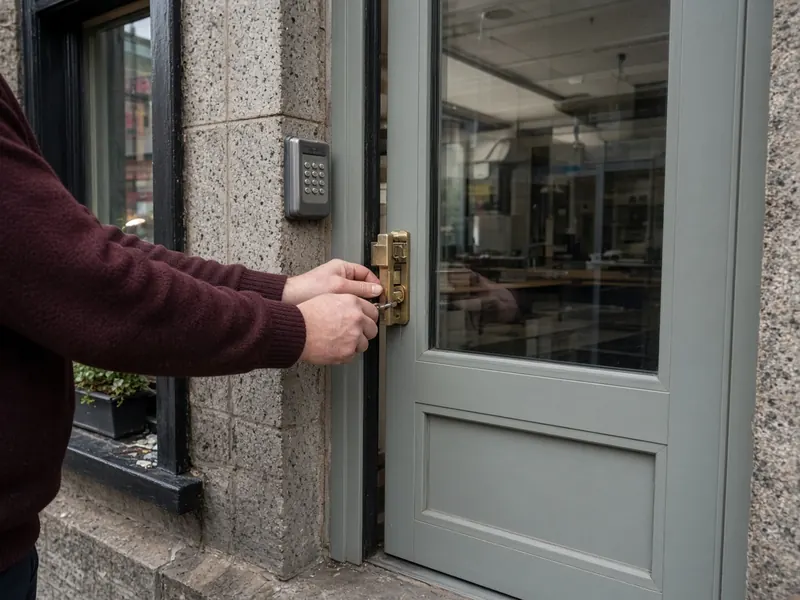
Key safes are small, code-operated boxes fixed outside a property, holding a key for people who need access when you can’t let them in. They’re widely used by carers visiting older or disabled people, by families keeping a spare key available, and by holiday let owners. Used well, they’re very useful. Used badly, with a cheap box, a weak fixing and a code everyone knows, they’re a risk. Here’s how to get it right.
Who uses key safes?
- Care and support at home. Carers, district nurses and family members can get in without the person having to come to the door. Many care providers ask for one.
- Emergency access. Paramedics and family can be given the code if someone has a fall.
- Holiday lets. Self check-in for guests. See holiday let security.
- Tradespeople and cleaners.
- Spare key for the household, instead of a key under a plant pot.
Are key safes secure?
It depends almost entirely on which key safe you choose and how it’s fitted.
Weak points
- Cheap, thin boxes can be prised open, smashed or cut.
- Poor fixings, such as a couple of screws into soft mortar or timber, let the whole box be levered off.
- Visible codes: worn buttons or smudges show which digits are used.
- Shared codes: the code gets passed around and never changed.
- Obvious placement, right beside the front door, tells everyone there’s a key there.
What to look for
- Independent security certification. Look for key safes certified by the Loss Prevention Certification Board (LPCB) to LPS 1175, and products recognised by Secured by Design, the police-backed initiative. Police and many care providers recommend certified models.
- A solid metal body and a shielded fixing, with fixing bolts hidden inside the box when it’s closed.
- Wall fixing into solid masonry, using the supplied anchors, never into timber cladding, fences or soft mortar.
- A weather cover over the keypad, to keep out rain and frost, and to hide the code.
Where to fit it
- On solid masonry, not on a timber porch or fence.
- Not right next to the door, if you can avoid it, but somewhere carers or guests can easily find with simple instructions.
- Out of view of the street, where possible.
- At a comfortable height for the people who will use it.
- In a reasonably sheltered spot, as Moray winters are hard on keypads.
Managing the code
Good code management matters as much as the box:
- Change the code regularly, and always when a carer, cleaner or guest no longer needs it.
- Avoid obvious codes, such as house numbers, birthdays or 1234.
- Scramble the code after use, if the design needs you to, so the last code isn’t left set.
- Keep a record of who knows the code.
- Don’t write the code on the key safe, or in an obvious place.
What key to put inside
- Put a key for one door only, ideally the main entrance, not a full bunch.
- Don’t label the key with an address.
- If you also have a deadlock, think about whether carers need access to it.
Insurance
Some insurers have conditions about key safes. Others may limit cover if a key from an uncertified key safe was used to get in without force. Check your policy, and tell your insurer if you fit one.
Alternatives to a key safe
- Keypad locks on the door itself remove the need for a key and let you set different codes for different people. Some battery-powered models keep a log of which code was used. See access control.
- Smart locks offer remote access and logs, but rely on batteries and connectivity. See smart locks pros and cons.
- A trusted neighbour holding a key is still a great option.
Fitting a key safe
If you fit one yourself, follow the instructions carefully and use the fixings supplied. Many people prefer a locksmith to fit it, making sure it goes into sound masonry with the right anchors, and to check the door it serves has good locks too. There’s little point in a high-security key safe guarding the key to a door with a weak cylinder. Read anti-snap euro cylinders.
For family members arranging care
If you’re setting up a key safe for an elderly parent in Moray, a few extra tips:
- tell the care provider and family the code, and nobody else
- make sure the key works smoothly. A stiff lock is a problem for carers in a hurry
- consider a door chain or limiter, if your relative also opens the door to visitors, and check carers can still get in
- talk to the person about who will have access, so they feel in control
Key points
A key safe is only as secure as its rating, fixing and code management. Choose a certified model, fix it into solid masonry, keep it discreet and change the code regularly. In Moray, Moray Locksmith can advise on key safes and keypad locks.
Frequently asked questions
Are key safes police approved?
Some key safes are certified to LPS 1175 by the LPCB and recognised by Secured by Design, the police-backed initiative. Look for these certifications.
Will a key safe affect my insurance?
It can. Check your policy and tell your insurer. Certified models properly fitted are less likely to cause problems.
How often should I change the code?
Regularly, and always when someone who knew it no longer needs access.
This guide is general information for homes in Scotland. It is not legal or insurance advice. Always check your own policy, tenancy agreement and official guidance.