Master key and keyed-alike systems explained
How keyed-alike and master key systems work, who they suit, from homes and landlords to businesses and holiday parks, and how to keep control of your keys.
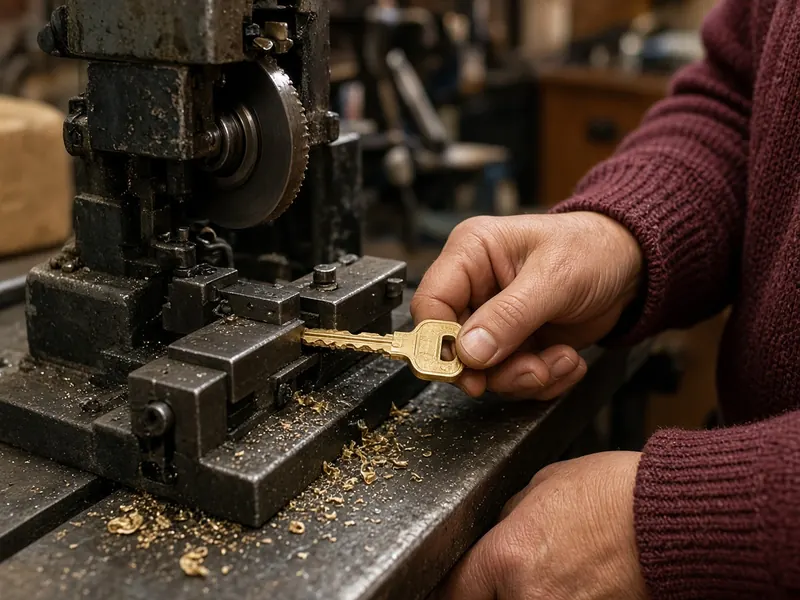
How many keys are on your key ring? If the answer is “too many”, or if you run a building where different people need access to different doors, a keyed-alike or master key system can make life much simpler, and more secure.
Keyed alike: one key, many locks
Keyed-alike locks all open with the same key. It’s the simplest arrangement and is popular for:
- front and back doors of a house
- a house, garage and shed
- several padlocks on a farm or smallholding
It’s also easy to arrange when you’re changing locks after moving house. Order matching euro cylinders and they all use one key.
Master key systems: different keys, one master
A master key system is more sophisticated. Each lock has its own key, the user key or change key, which opens that lock only. A master key opens every lock in the system.
Larger systems add levels:
- Grand master key. Opens everything.
- Sub-master keys. Open a group of locks, such as one floor or one department.
- User keys. Open one door, or a defined set of doors.
Example: a block of flats. Each tenant’s key opens their own flat and the shared front door and bin store. The landlord or managing agent holds the master, which opens every flat in an emergency.
Example: a small business. Staff keys open the front door and the staff room. The manager’s sub-master also opens the office and stores. The owner’s grand master opens everything.
Who benefits?
- Landlords with flats or HMOs. See landlord services.
- Shops, offices and workshops
- Holiday parks, guest houses and lodges
- Churches, halls, schools and clubs
- Farms with many outbuildings
Key control: the most important part
A master key system is only secure if you control who has which keys. Good practice includes:
- Restricted or registered key profiles, so keys can only be copied by an authorised dealer on the owner’s authority. High-security cylinders such as Mul-T-Lock use patented or registered keys.
- A key register recording who holds which key.
- Signing keys out and in when staff join and leave.
- Keeping the master keys secure. Don’t carry the grand master every day if you don’t need to.
What if a key is lost?
This is where planning pays off:
- If a user key is lost, usually only that one cylinder needs re-keying or replacing.
- If a master key is lost, more of the system may need changing, which is why masters must be guarded closely.
A well-designed system leaves room for changes and expansion.
Euro cylinders make it easier
Most modern doors use euro cylinders, which can be supplied as part of a master key or keyed-alike system. Changing an individual lock is usually just a matter of swapping the cylinder, without replacing the whole lock. Padlocks and some mortice and rim locks can be included too.
Master keys vs access control
For some buildings, access control (keypads, fobs or cards) is a better fit, especially where people change frequently. Codes and fobs can be cancelled without changing locks. Many buildings use both: keys for most doors and access control on the main entrance. See access control for small businesses.
Security levels
Choose cylinders with good attack resistance, such as anti-snap and TS 007 3-star or SS312 Diamond, especially on external doors. See anti-snap euro cylinders.
Keyed alike vs master keyed: which do you need?
Ask yourself one question: does anyone need to open some doors but not others?
- If everyone who has a key can go everywhere, as in most family homes, keyed alike is simpler and cheaper.
- If some people should only open certain doors, such as tenants, staff, cleaners or contractors, a master key system is the right tool.
A small business might start with keyed-alike external doors and add a master key system as it grows. A good locksmith will design a system with room to expand, so you aren’t locked into a dead end.
Common mistakes to avoid
- Using standard, copyable keys for a master system. Anyone can get copies cut, and your control is gone.
- Issuing master keys too widely. Only the people who genuinely need full access should hold one.
- No key register. Within a year, nobody knows who holds what.
- Mixing cylinder ranges that can’t be added to later.
- Forgetting fire safety. Escape doors must still open from inside without a key.
Planning a system
A locksmith will:
- List every door and who needs access to each.
- Design the hierarchy: grand master, sub-masters and users.
- Recommend a cylinder range with the right security and key control.
- Supply a key register.
- Fit and test the system.
Key points
Keyed-alike systems reduce the number of keys you carry. Master key systems give each person just the access they need while you keep overall control. Both work best with restricted keys and a good key register. In Moray, Moray Locksmith supplies master-keyed and keyed-alike systems for homes, landlords and businesses.
Frequently asked questions
Can my existing locks be keyed alike?
Often, yes. With euro cylinders it usually means swapping the cylinders for a matching set.
Is a master key system secure?
Yes, if keys are controlled. Restricted key profiles and a key register are the important parts.
What happens if a member of staff leaves with a key?
In a well-planned system, you re-key or replace only the cylinders that key opens.
This guide is general information for homes in Scotland. It is not legal or insurance advice. Always check your own policy, tenancy agreement and official guidance.