Window locks and restrictors: security and child safety
How to secure uPVC, timber and sash windows: locking handles, window locks, sash stops and restrictors, plus advice on child safety and fire escape windows.
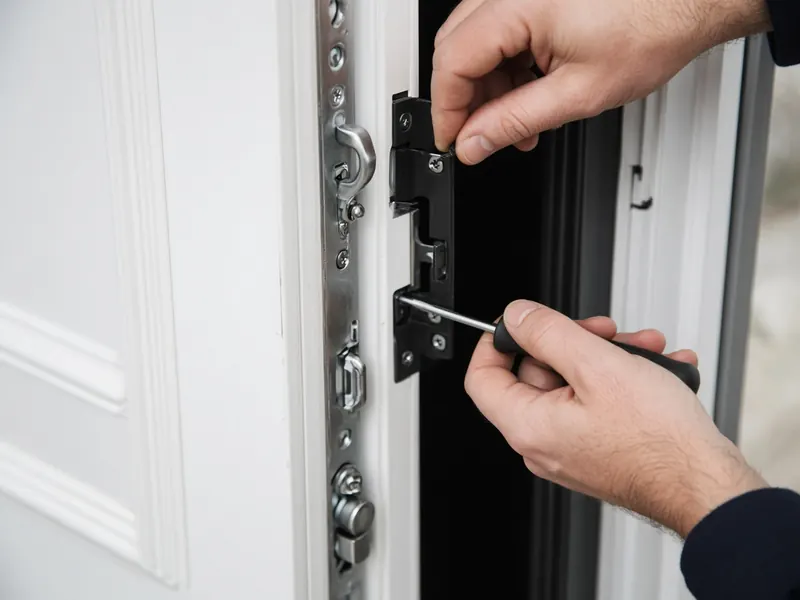
Windows are a common way into homes, particularly ground-floor windows at the back and side of a house. They’re also a safety concern for families with young children. The right locks and restrictors improve both security and safety, often at low cost.
uPVC windows
Most modern uPVC windows use an espagnolette mechanism: turning the handle moves a locking bar around the frame, engaging several points.
Ways to improve them:
- Locking handles with a key, so the handle can’t be turned if the glass is broken or the window is forced slightly open.
- Replacing worn handles, because a loose handle often means the gearing is wearing out.
- Repairing or replacing gearing if the handle is stiff or won’t lock.
- Restrictors that let the window open a little for ventilation.
Don’t force a stiff window handle. As with uPVC doors, forcing it can break the mechanism. See uPVC door and window repairs.
Timber casement windows
Older timber casement windows often have only a simple catch, which can be slipped or forced. Options include:
- Surface-mounted casement locks that lock the window to the frame
- Mortice rack bolts fitted into the frame
- Locking stays that keep the window closed or slightly open
Sash-and-case windows
Traditional sash-and-case windows are found in many older Moray homes, from Forres and Elgin’s Victorian streets to Fochabers’ planned village. The basic fitch catch in the middle can often be pushed open with a blade. Better options include:
- Sash stops, which let the window open only a little and stop it being opened further
- Dual screws or sash locks, which lock the two sashes together
- Key-locking fitch fasteners
Good sash security can be fitted discreetly, without spoiling the character of the window.
Window restrictors for child safety
Every year, children are injured falling from windows. Window restrictors limit how far a window opens, often to around 100mm, which is too small for a child to fall through while still letting air in.
What to look for:
- Cable restrictors that lock the window to the frame with a short cable
- restrictors that an adult can release easily in an emergency, but a child can’t
- fitting on all upstairs windows that children can reach, and on any window with furniture beneath it
Also move beds, cots and furniture away from windows so children can’t climb up.
Don’t block your fire escape
Window security mustn’t trap you in a fire. Scottish Fire and Rescue Service advice is to plan an escape route and keep keys where you can find them quickly.
- Keep window keys near the window, out of sight from outside but reachable in the dark.
- Make sure at least one upstairs window in each bedroom can be opened fully by an adult in an emergency.
- Use restrictors that adults can release quickly.
Patio and French doors
Large glazed doors are, in effect, windows you can walk through. Read securing patio and French doors.
Which windows to prioritise
If you’re working to a budget, start with the windows a burglar is most likely to use:
- Ground-floor windows at the back and side, where nobody can see from the road.
- Windows next to doors, where breaking the glass could let someone reach a door handle or key.
- Windows above flat roofs, extensions, porches or conservatories.
- Windows near drainpipes, walls or bins that make climbing easy.
- Basement and utility room windows, which are often forgotten.
Then add child-safety restrictors upstairs wherever children sleep or play.
Leaving windows open in summer
On warm days it’s tempting to leave windows open when you pop out, or overnight. Opportunist burglars look for exactly that. Use restrictors or locking stays to allow ventilation while keeping the opening too small to climb through, and close ground-floor windows when you go out.
Do it yourself or call a locksmith?
Many surface-mounted window locks and cable restrictors are designed for DIY fitting. But the fixings must go into solid material, and on uPVC windows you need to avoid drilling into the glazing unit or the reinforcement in the frame. Replacing espagnolette gearing, fitting sash locks to old timber, or upgrading a whole house of windows is usually quicker and neater with a locksmith, who can also spot windows that need repair rather than just a lock.
Insurance
Many home insurers ask for key-operated locks on all accessible windows, typically ground-floor windows and those reachable from flat roofs, extensions or drainpipes. Check your policy wording, and remember to use the locks when you go out.
Window security checklist
- All ground-floor windows lock, ideally with a key.
- Windows reachable from flat roofs or extensions lock.
- Sash windows have sash stops or sash locks.
- Upstairs windows that children can reach have restrictors.
- Window keys are kept near windows for fire escape, but out of sight.
- Valuables aren’t visible through windows.
- Handles and mechanisms work smoothly, with no forcing.
Key points
A small investment in window locks, sash stops and restrictors can make your home harder to break into and safer for children, as long as you keep fire escape in mind. In Moray, Moray Locksmith supplies and fits window locks, restrictors and handles, from sash stops to cable restrictors.
Frequently asked questions
How far should a window restrictor let a window open?
Child safety restrictors commonly limit the opening to around 100mm.
Can sash windows be secured without spoiling them?
Yes. Sash stops and discreet sash locks can be fitted without changing the look of traditional windows.
Do I need window locks for insurance?
Many policies require key-operated locks on accessible windows. Check your policy wording.
This guide is general information for homes in Scotland. It is not legal or insurance advice. Always check your own policy, tenancy agreement and official guidance.