Why doors stick in a Moray winter (and how to stop it)
Why uPVC, composite and timber doors stiffen and stop locking in cold weather, how to deal with frozen locks safely, and how to prepare your doors before winter.
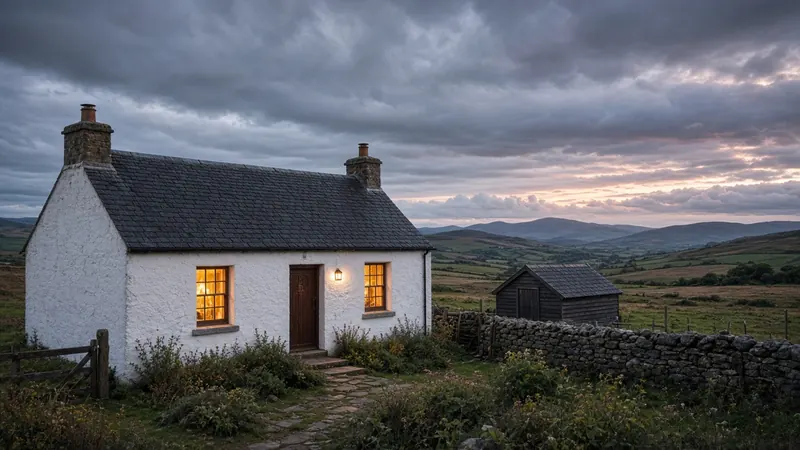
Every winter, as temperatures drop across Moray and the frost settles in places like Strathspey and the Braes, locksmiths get a wave of calls about doors that won’t lock, keys that won’t turn and handles that won’t lift. Some of these problems fix themselves when the weather warms up. Others turn into broken mechanisms if they’re forced. Here’s what is happening and what to do.
Why doors move with the weather
Every material expands when warm and contracts when cold, and doors are no exception:
- uPVC moves noticeably with temperature. A door and frame can change shape slightly between a sunny afternoon and a frosty night.
- Composite doors have a skin over a core, and the two can move at different rates, causing slight bowing.
- Timber doors swell with damp and shrink in dry, heated rooms.
- Metal parts contract in the cold too, and lubricants thicken.
Your multipoint lock depends on hooks, rollers and bolts lining up precisely with their keeps. A few millimetres of movement is enough to make the handle hard to lift or the key hard to turn.
Signs your door is struggling
- The handle needs more force than usual to lift.
- You have to push or pull the door to turn the key.
- The door catches on the frame or the gap around it is uneven.
- The key turns but feels gritty.
If you notice these, don’t keep forcing it. Forcing a misaligned uPVC door is the most common cause of gearbox failure, and a failed gearbox can lock you in or out. Read uPVC door won’t lock?.
What you can do
- Lubricate the locking points, the latch and the hinges with a suitable lubricant.
- Check the keeps on the frame for loose screws.
- Wait for the sun. If the door is only stiff first thing on a frosty morning, it may ease as it warms up. If it’s getting worse, get it adjusted.
- Call a locksmith for alignment before the mechanism fails. It’s a quick adjustment.
Frozen locks
On very cold nights, moisture inside a lock can freeze, stopping the key from going in or turning.
Do:
- warm the key in your hand, or carefully with a lighter, being careful not to burn yourself or melt any plastic on the key head, then insert it gently
- use a de-icer made for locks
- cup your hands round the lock and breathe on it
Don’t:
- pour boiling water on the lock. It refreezes quickly, can crack seals and glass, and makes the problem worse next time
- force the key. It can snap. See key snapped in the lock
Timber doors in damp weather
In a wet Moray winter, timber doors absorb moisture and swell, rubbing on the frame and making the latch or mortice lock hard to engage. Remedies include adjusting the keep, easing the door edge (then sealing the bare timber), and checking the paint or varnish seals the door properly, especially along the bottom edge.
Outbuildings and padlocks
Padlocks on sheds and gates are especially exposed. Choose weatherproof padlocks with covers, and lubricate them before winter. Read securing sheds and garages.
Prepare your doors before winter
In autumn, give every external door ten minutes:
- Open and close each door and check it locks without force.
- Lubricate the multipoint locking points, latch and hinges.
- Check seals and draught strips are intact.
- Check outbuilding padlocks and gate locks.
- Test outside lights, as you’ll be using doors in the dark.
- If anything is stiff, book an adjustment now, before the first hard frost.
Being locked out in winter
Being locked out on a freezing night is more than an inconvenience, especially for older people, young children or anyone unwell. Keep a spare key with a trusted neighbour, keep your locksmith’s number in your phone, and if anyone is at risk, call 999. In Moray, Moray Locksmith treats lockouts as a priority.
A note on composite doors in sunshine
It isn’t only cold that causes trouble. Dark composite and uPVC doors facing south can expand in strong spring and summer sun, so a door that locks easily in the morning becomes stiff in the afternoon. The fix is the same: correct alignment, so the door has enough tolerance to cope with movement in both directions. If your door only sticks at certain times of day, mention it to the locksmith, because it helps diagnose the problem.
Rural properties
In upland areas around Grantown, Tomintoul and Speyside, doors face harder frosts and wind-driven rain than on the coast. Doors facing the prevailing weather often need adjustment more frequently. Also make sure escape doors in rural homes can always be opened from inside, even if a lock is frozen on the outside.
Key points
Doors move in cold and wet weather, and locks feel it first. Don’t force a stiff door. Lubricate, adjust and get it serviced before winter, and never pour boiling water on a frozen lock. If your door is getting harder to lock, book a uPVC door adjustment.
Frequently asked questions
Why does my uPVC door only stick in the morning?
Cold overnight temperatures cause the door and frame to contract and move slightly out of alignment. As it warms up, it often eases. If it’s getting worse, have it adjusted.
Can I pour hot water on a frozen lock?
It’s best not to. The water refreezes quickly and can make things worse. Use a lock de-icer or a warmed key instead.
How often should I lubricate my door locks?
At least once a year, ideally before winter, and more often for exposed or coastal doors.
This guide is general information for homes in Scotland. It is not legal or insurance advice. Always check your own policy, tenancy agreement and official guidance.